Why Inflatable Safety Testing Matters – Annual Inspections, EN14960 & RPII Testing
At Party Time Inflatables, safety is something we take seriously. Whether we're supplying a bouncy castle for a children's birthday party, an inflatable assault course for a school, or large-scale inflatable attractions for a public event, we believe every piece of equipment should be properly maintained, inspected and safe to use.
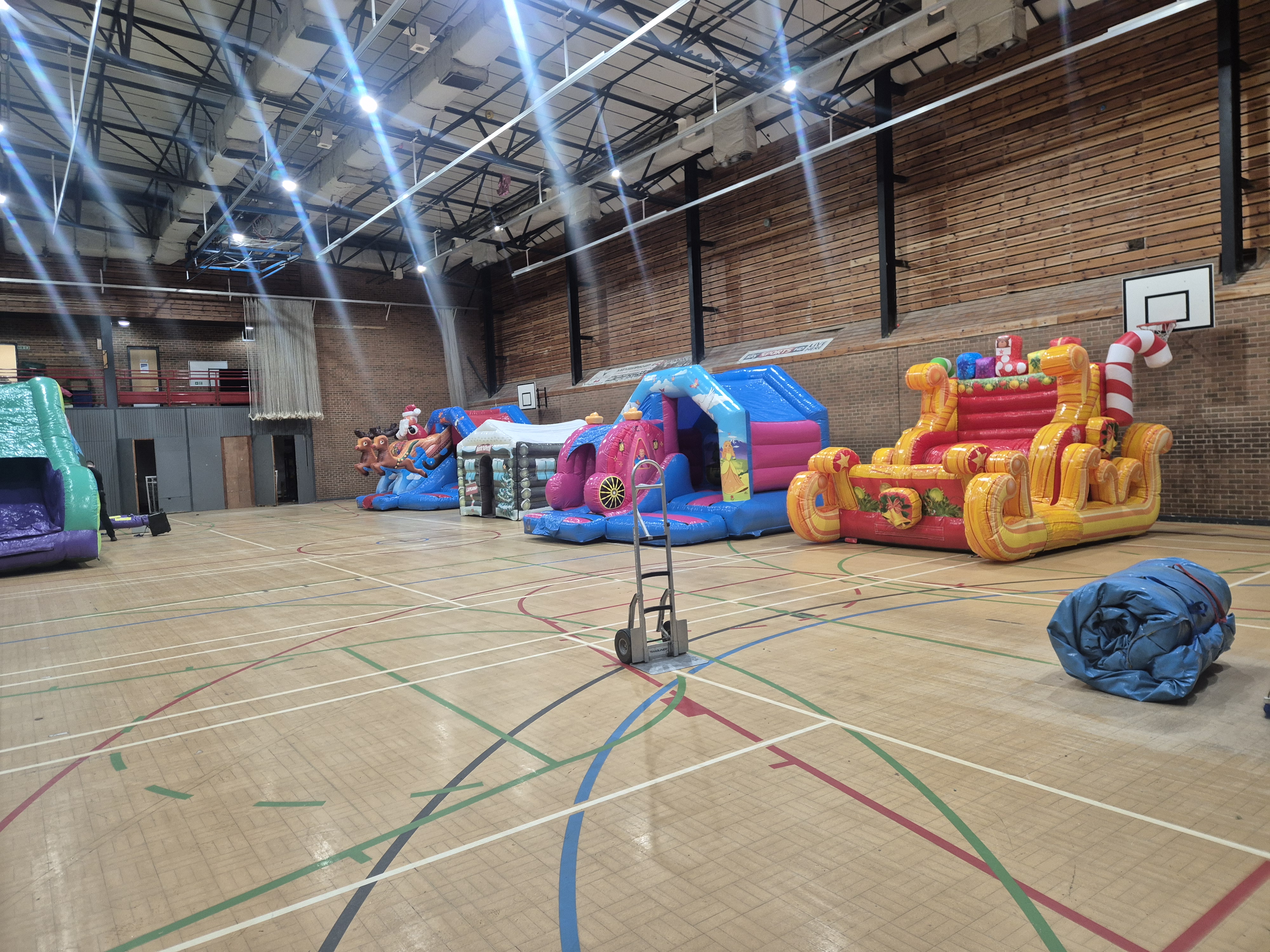
Over the last two days, we've had our annual inflatable inspections carried out by a qualified RPII (Register of Play Inspectors International) inspector, with a large number of our inflatables undergoing their annual examination.
But what does inflatable testing actually involve? Why is it important? What standards should inflatable hire equipment meet, and what should customers look for when hiring a bouncy castle or inflatable?
What is inflatable testing?
Inflatable testing is a thorough examination of inflatable play equipment to ensure it remains in a safe condition for use.
Inflatables used commercially, including bouncy castles, inflatable slides, assault courses and other inflatable play equipment, need to be inspected by a competent person at appropriate intervals. For many commercial inflatable attractions, an annual inspection is the recognised industry practice.
These inspections aren't simply a quick look to see whether an inflatable still blows up and looks alright. A proper inspection involves examining the equipment, its construction, condition, safety features and associated equipment to identify defects, damage, wear or anything that could compromise its safe operation.
An inflatable may look perfectly fine to the naked eye but still have issues that require attention. This is why independent inspections by suitably qualified inspectors are so important.
What is EN14960?
BS EN 14960 is the recognised British and European safety standard covering inflatable play equipment within its scope.
The standard sets out safety requirements and test methods relating to the design, manufacture and safety of inflatable play equipment. It helps establish important requirements relating to the construction and use of inflatables, including areas such as:
- Safety of the inflatable's construction
- Materials and fabric
- Seams and stitching
- Anchor points and anchorage arrangements
- Entrances, exits and safety features
- Walls, towers and other structural components
- User capacity and user height restrictions
- Safe operating instructions
- Blower and inflation requirements
- Safety information supplied with the equipment
Testing against the relevant standard helps ensure that inflatable equipment has been designed and constructed with safety in mind, and that it continues to be suitable for use when properly maintained and inspected.
What does an annual inflatable inspection involve?
An annual inspection is a detailed examination of the inflatable and its associated equipment.
Depending on the type and construction of the inflatable, an inspector will examine areas including:
Fabric, seams and stitching
The inspector will check the inflatable fabric for wear, damage, deterioration, holes, tears and other defects. Seams and stitching are particularly important because they help maintain the structure and integrity of the inflatable.
Anchor points and anchorage systems
Anchor points are a critical part of inflatable safety, particularly when equipment is being used outdoors.
The inspection includes checking anchor points, attachment areas, straps and relevant anchorage components for damage, excessive wear or deterioration.
Structural integrity
The inspector examines the overall structure of the inflatable, including walls, towers, platforms, steps, slides and other structural features, to ensure they remain in an acceptable condition.
Safety features
Safety features such as entrance arrangements, protective areas, barriers and other components designed to reduce the risk of injury are checked as applicable to the particular equipment.
Blowers and electrical equipment
The inflatable's blower is also an important part of the inspection process. Its condition, suitability and associated safety aspects must be considered. The blower is essential to maintaining the correct operating pressure and shape of the inflatable.
Identification and documentation
Equipment identification, previous inspection records and relevant documentation form part of the inspection process. Keeping accurate records allows equipment to be tracked throughout its working life and helps identify any previous issues or recommendations.
The purpose of the inspection is to identify any defects or concerns that need addressing before the equipment is used.
Why do we use an RPII inspector?
At Party Time Inflatables, we use an inspector registered with the Register of Play Inspectors International (RPII).
The RPII is an established inspection and training organisation within the play and inflatable industry. Its inspector registration and training framework provides a recognised route for inspectors to demonstrate competence in carrying out relevant inspections.
We choose to use RPII inspection because we value the consistency, professionalism, training and accountability associated with the scheme. We want our equipment inspected by someone who understands the requirements of inflatable play equipment and the importance of a thorough, independent examination.
For us, testing isn't about obtaining a certificate to put in a folder and forgetting about it until next year. It's about having an independent professional examine our equipment and identify anything that needs attention.
We believe this is an important part of operating a responsible inflatable hire business.
Is inflatable testing a legal requirement?
Businesses supplying inflatable equipment for commercial use have responsibilities under UK health and safety legislation to ensure their equipment is safe, properly maintained and suitable for its intended use.
The Health and Safety Executive (HSE) provides guidance for inflatable operators and highlights the importance of initial testing and annual inspections by a competent person.
The exact requirements can depend on the type of equipment and its intended use, but regular inspections, maintenance, appropriate documentation and safe operating procedures are all important parts of managing inflatable equipment safely.
Simply owning an inflatable or having it repaired when something goes wrong isn't enough. Safety needs to be managed throughout the equipment's working life.
Does a tested bouncy castle mean it is completely safe?
No inspection can guarantee that equipment will never develop a fault or that an accident can never happen.
An annual inspection is an important part of a wider safety system. Inflatables also need to be checked before use, set up correctly, secured appropriately, operated within their limits and supervised properly.
At Party Time Inflatables, our approach to safety includes:
- Independent annual inspections
- Routine checks of equipment
- Checking equipment before it is installed at an event
- Correct installation and anchoring
- Appropriate supervision and operating procedures
- Following manufacturer instructions
- Monitoring weather and wind conditions when operating outdoors
- Removing equipment from use if we identify a safety concern
Safety isn't just about the test certificate. It's about what happens every time the inflatable is used.
What should customers ask before hiring a bouncy castle?
If you're hiring an inflatable for a birthday party, school event, wedding, community event or corporate function, it's worth asking your hire company a few simple questions:
Has the inflatable been inspected recently?
Ask whether the equipment has a current inspection report or certificate and who carried out the inspection.
Does the equipment meet the relevant safety standard?
For applicable inflatable play equipment, ask about BS EN 14960 and whether the equipment has been appropriately inspected.
Is the hire company insured?
A reputable commercial inflatable hire company should be able to provide evidence of appropriate insurance.
Will the inflatable be set up properly?
Correct installation, anchoring, suitable ground conditions and sufficient clearance are essential.
Who is responsible for supervision?
Understand whether supervision is included in your hire or whether you are responsible for supervising the equipment yourself.
What happens if the weather changes?
Outdoor inflatables can be affected by wind. A responsible operator should have clear procedures for monitoring conditions and stopping operation when conditions become unsafe.
These questions can help you make a more informed decision when choosing an inflatable hire company.
Why we invest in testing our equipment
At Party Time Inflatables, we operate a large range of inflatables across County Durham, the North East and beyond.
From small children's bouncy castles to large inflatable assault courses, slides, obstacle courses and attractions used at schools, festivals and major events, our equipment is regularly out working in a wide variety of environments.
We invest in our equipment, its maintenance and its inspections because we understand the responsibility that comes with providing entertainment for children, families, schools and members of the public.
We want our customers to have confidence that when they hire from Party Time Inflatables, safety, professionalism and reliability are important parts of the service we provide.
Our annual testing over the last two days is another part of that ongoing commitment.
When it comes to inflatable hire, safety should never be an afterthought.
How often should a bouncy castle be tested?
Commercial inflatable play equipment should be inspected by a competent person at appropriate intervals. An annual thorough inspection is widely recognised as the industry standard for many types of inflatable play equipment, alongside regular checks and maintenance.
Who can test a bouncy castle?
Inflatable inspections should be carried out by a suitably competent inspector with the necessary knowledge, training and experience. Inspectors registered through recognised inspection schemes such as RPII are commonly used within the inflatable hire industry.
What is RPII testing?
RPII stands for Register of Play Inspectors International. It is an organisation providing training, registration and competency frameworks for inspectors working within the play inspection industry, including relevant inflatable play equipment.
What is EN14960?
BS EN 14960 is a safety standard for inflatable play equipment. It specifies safety requirements and test methods for inflatable play equipment covered by its scope, helping address matters such as construction, safety, design and operating requirements.
Are bouncy castles tested by the HSE?
The HSE is the UK's Health and Safety Executive and provides guidance on the safe use, inspection and operation of inflatables. Testing is generally carried out by a competent independent inspector rather than directly by the HSE.
Can I hire an inflatable without a test certificate?
Customers should always ask whether the inflatable has been appropriately inspected and whether the hire company can provide evidence of a current inspection. Hiring equipment without appropriate safety documentation may expose customers and operators to unnecessary risks.
Does annual testing guarantee a bouncy castle is safe?
Annual testing is an important safety measure, but it does not replace daily checks, correct installation, suitable anchoring, supervision, maintenance or monitoring weather conditions. Safety must be managed every time the equipment is used.
Why is inflatable safety testing important?
Testing helps identify defects, damage, wear and potential safety issues before equipment is used. It helps inflatable hire businesses meet their responsibilities and provides greater confidence to customers hiring equipment for children, schools and public events.
What happens if an inflatable fails its inspection?
If an inspector identifies defects or concerns that affect the safety of the inflatable, the issues must be addressed before it is returned to service where required. Equipment should not be used if it is unsafe or if identified safety-critical defects remain unresolved.
<< Return to news